
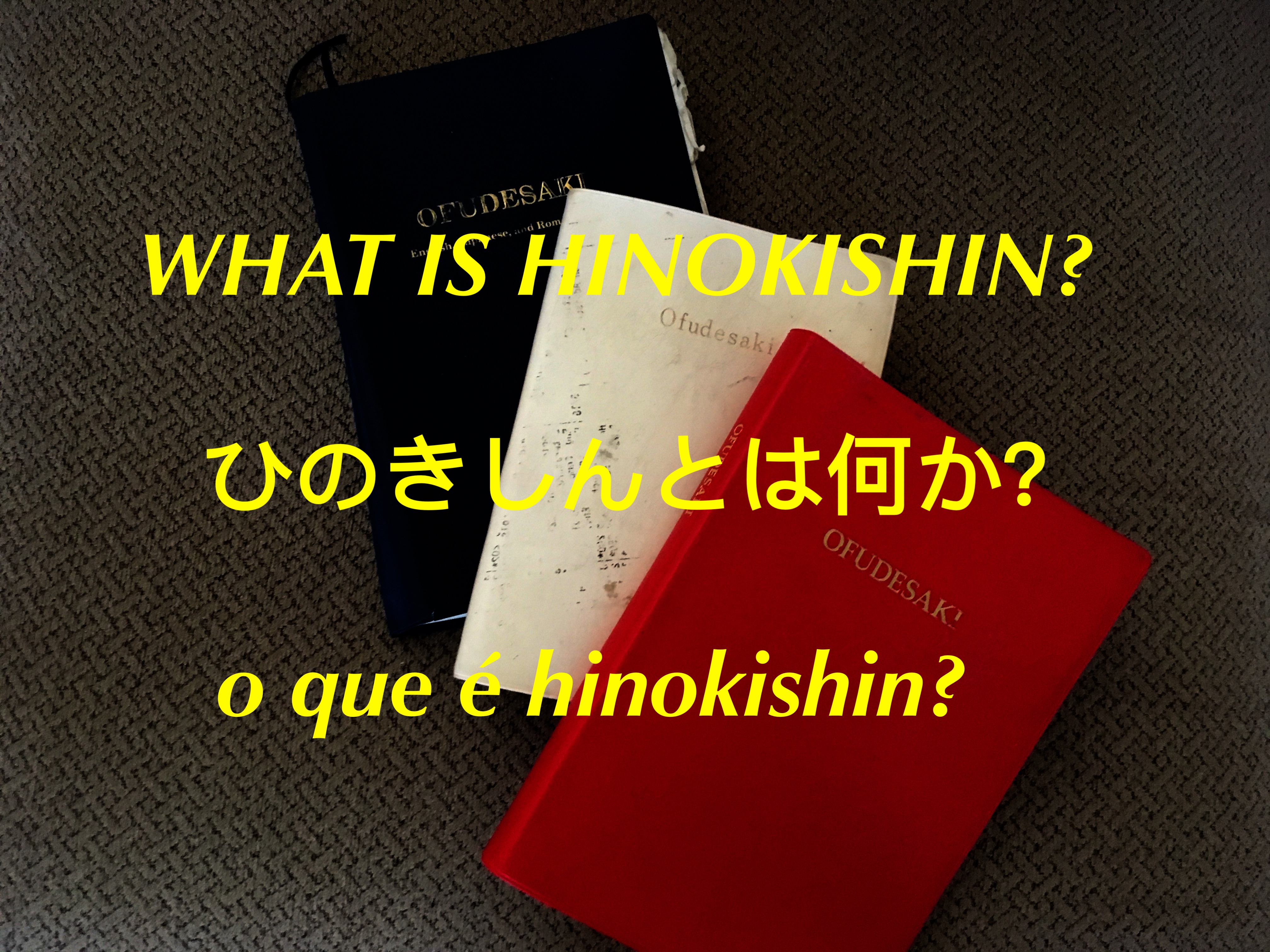
People are asking help for the recent earthquake that devastated a region in Japan. Tenrikyo is often noted for their assistance when disasters occur. Many in Tenrikyo call this hinokishin, which may be incorrect as I will explain latter. In the Ofudesaki, not my opinion, is the following:
Thunder, earthquakes, great winds, and floods.
These are God’s regret and anger. 8-58
This world, landslides, lightning,
earthquakes, and strong winds, are God’s anger. 6-91
What kind of persons in Grand shrines, high mountains, negligent people,
when God will rush out (to reveal God’s regret). 6-92
If you believe in the Ofudesaki, God is telling us that these disasters are due to people’s actions on their negative thoughts. Again this is from the Ofudesaki.
It is ironic that Tenrikyo people call the helping of these people after the disaster, hinokishin. In the Mikagura-uta hinokishin is the spreading of God’s teaching to the people in the high mountains. In Song 7-1 is the following:
A few words to speak is hinokishin.
Fragranace (niogake) only, you sprinkle to place. 7-1
What does this mean? We must perform hinokishin, or spread the truth of the soul, and the pure mind, to prevent these disasters from occurring. This is what hinokishin is. The people in the world must know about the soul, and the pure mind that will only bring happiness. We can prevent suffering if we follow the instructions in the Ofudesaki.
In summary, the helping of others is what God wants. But it is the teaching that will bring upon joy. This is our top priority as a religion that we must teach people God’s truths. This is hito no kishin, or our contribution to God.
日本のある地域を壊滅させた最近の地震に対して、人々は助けを求めている。天理教は、災害が発生した際の支援についてよく知られている。天理教の多くの人々はこれを「ひのきしん」と呼んでいるが、後ほど説明するように、これは正しくないかもしれない。 おふでさきには、私の意見ではありませんが、次のように書かれています:
雷、地震、大風、洪水。
これらは神の後悔と怒りである。 8-58
この世、土砂崩れ、雷、
地震、強風は神の怒りである。 6-91
大神社、高山、怠慢な人、どんな人が神様が駆け出すか(神様の無念を現す)。 6-92
おふでさきを信じるならば、これらの災難は、人々の否定的な思いに基づく行動によるものであることを、神様は教えておられるのである。 これもおふでさきの言葉である。
天理教では、災難に遭った人々を助けることを「ひのきしん」と呼ぶのは皮肉なことである。 御神楽歌のひのきしんとは、高山の人々に神の教えを広めることである。歌7-1には次のようにある:
ひのきしんとは、「ひのきしん」と読む。
薫り(におがけ)ばかりを、ふりそそぐ。 7-1
これは何を意味するのか。このような災難が起こらないように、ひのきしん、つまり魂の真実、純粋な心を広めていかなければならない。 これがひのきしんです。世の中の人々が、魂について、そして幸福をもたらす純粋な心について知らなければなりません。 おふでさきの教えを守れば、苦しみを防ぐことができるのです。
まとめると、人を助けることは神が望んでおられることである。しかし、喜びをもたらすのは教えである。これは宗教としての最優先事項であり、私たちは人々に神の真理を教えなければならない。これが「ひとのきしん」であり、神への貢献である。
As pessoas estão pedindo ajuda para o recente terremoto que devastou uma região do Japão. A Tenrikyo é frequentemente conhecida por sua assistência quando ocorrem desastres. Muitos na Tenrikyo chamam isso de hinokishin, o que pode estar incorreto, como explicarei mais adiante. No Ofudesaki, e não em minha opinião, está o seguinte:
Trovões, terremotos, grandes ventos e inundações.
Esses são o arrependimento e a raiva de Deus. 8-58
Este mundo, deslizamentos de terra, raios,
terremotos e ventos fortes são a ira de Deus. 6-91
Que tipo de pessoas em grandes santuários,
montanhas altas, pessoas negligentes, quando Deus sairá correndo (para revelar o arrependimento de Deus). 6-92
Se você acredita no Ofudesaki, Deus está nos dizendo que esses desastres se devem às ações das pessoas com base em seus pensamentos negativos. Novamente, isso vem do Ofudesaki.
É irônico que o povo Tenrikyo chame de hinokishin a ajuda dessas pessoas após o desastre. No Mikagura-uta, hinokishin é a divulgação dos ensinamentos de Deus para as pessoas nas altas montanhas. No Cântico 7-1, temos o seguinte:
Algumas palavras para falar é hinokishin.
Apenas fragrância (niogake), você borrifa no local. 7-1
O que isso significa? Devemos realizar o hinokishin, ou seja, divulgar a verdade da alma e a mente pura, para evitar que esses desastres ocorram. É isso que é hinokishin. As pessoas no mundo devem conhecer a alma e a mente pura que só trarão felicidade. Podemos evitar o sofrimento se seguirmos as instruções do Ofudesaki.
Em resumo, o que Deus quer é ajudar os outros. Mas é o ensino que trará alegria. Essa é a nossa principal prioridade como religião: devemos ensinar as verdades de Deus às pessoas. Isso é hito no kishin, ou seja, nossa contribuição para Deus.
有趣的是,人们正在就最近摧毁日本一个地区的地震寻求帮助。天理教经常在发生灾难时提供帮助。天理教中的许多人将此称为 “桧信”(hinokishin),这可能是不正确的,我将在后面解释。 在大福崎(不是我的观点)中有如下内容:
雷鸣、地震、大风和洪水。
这些都是上帝的悔恨和愤怒。 8-58
这个世界、山崩、闪电
地震和大风是上帝的愤怒。 6-91
什么样的人在大神殿、高山、疏忽的人,上帝就会冲出来(揭示上帝的遗憾)。 6-92
如果你相信《奥福德萨基》,那么神就是在告诉我们,这些灾难都是由于人们的消极思想造成的。 这同样出自《奥福德萨基》。
具有讽刺意味的是,天理教的人把灾后帮助这些人的行为称为 “桧木心”。 在 Mikagura-uta 中,”桧木新 “是指向高山上的人们传播神的教诲。歌谣 7-1 中有如下内容:
说几句话就是 hinokishin。
只有香气(niogake),你洒到地方。 7-1
这是什么意思?我们必须执行 “桧信”,即传播灵魂的真理和纯洁的心灵,以防止这些灾难的发生。 这就是桧木真。世界上的人们必须了解灵魂和纯净的心灵,它们只会带来幸福。 只要我们遵循奥弗德崎的指示,就能避免痛苦。
总之,帮助他人是上帝的旨意。但教导才能带来喜乐。这是我们作为一个宗教的首要任务,我们必须向人们传授上帝的真理。这就是我们对神的贡献。

 OFUDESAKI-GOD'S TEACHINGS