OFUDESAKI 16-77

Interpretation:
God sees the many people that will understand God’s truth when given to them. This is why God wants us to spread the teachings to others. Then God will accompany them by giving them guidance to convince them of the teachings.
 
解釈:
神は、神の真理が与えられれば、それを理解する多くの人々を見ておられる。だからこそ神は、私たちが教えを他の人々に広めることを望んでおられるのです。そうすれば、神は彼らに教えを納得させるための導きを与え、同行される。
 
Interpretação:
Deus vê as muitas pessoas que entenderão a verdade de Deus quando lhes for dada. É por isso que Deus quer que espalhemos os ensinamentos para outras pessoas. Então, Deus os acompanhará, dando-lhes orientação para convencê-los dos ensinamentos.
 
解释:
上帝看到有许多人在得到上帝的真理时会理解它。这就是为什么上帝希望我们向他人传播教义。然后,上帝会陪伴他们,给他们指引,让他们信服教义。
Posted in Tenrikyo | Leave a comment

OFUDESAKI 16-76

Interpretation:
God’s regret appears because of the evil actions of the world. What time God’s guidance appears is dependent on the spreading of God’s teachings to others, and the performance of the Youki-tsutome after.
 
解釈
神の後悔が現れるのは、この世の悪行が原因である。神の導きが何時現れるかは、神の教えを他者に広めることと、その後の幽起止観の実行にかかっている。
 
Interpretação:
O arrependimento de Deus aparece por causa das más ações do mundo. O momento em que a orientação de Deus aparece depende da divulgação dos ensinamentos de Deus aos outros e do desempenho do Youki-tsutome depois.
 
释义
上帝的遗憾因世人的邪恶行为而出现。神的指引何时出现,取决于向他人传播神的教诲以及之后 Youki-tsutome 的表现。
Posted in Tenrikyo | Leave a comment

OFUDESAKI 16-76

Interpretation:
God will go out to place illness as guidance. The appointed day may be when Oyasama passes away?
 
解釈
神様は指導として、病気のところにお出かけになる。教祖がお亡くなりになる日がその日なのでしょうか。
 
Interpretação:
Deus irá para o local da doença como orientação. O dia marcado pode ser quando Oyasama falecer?
 
解读
神将外出治病作为指引。指定的日子可能是大山去世的时候?
Posted in Tenrikyo | Leave a comment

OFUDESAKI 16-74

Posted in Tenrikyo | Leave a comment

OFUDESAKI 16-73

Interpretation:
When one receives God’s guidance as illness, do not ignore it. If you do, you will accumulate more dusts or negative thoughts.
 
解釈
神の導きを病気として受けたとき、それを無視してはならない。無視すれば、塵や否定的な考えをさらに蓄積することになる。
 
nterpretação:
Quando alguém recebe a orientação de Deus como doença, não a ignore. Se o fizer, você acumulará mais poeira ou pensamentos negativos.
 
释义
当一个人接受上帝的指引时,就像生病一样,不要忽视它。否则,你会积累更多的灰尘或负面想法。
Posted in Tenrikyo | Leave a comment

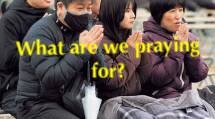
WHAT ARE WE PRAYING FOR?


Lets review our daily Service we call the Youki-tsutome. It is not called the yoki-tsutome (Joyous Service), but the Youki-tsutome (Timber Service). In the Ofudesaki, this Service is also referred to as the teodori, or hand dance, since it only uses the hands to perform the Service. This Service is also called the Kagura Service when it is performed at the site of human creation, where the the temporary Kanroudai exist today. This is also where God descended from heaven in 1838 to save the world.

 
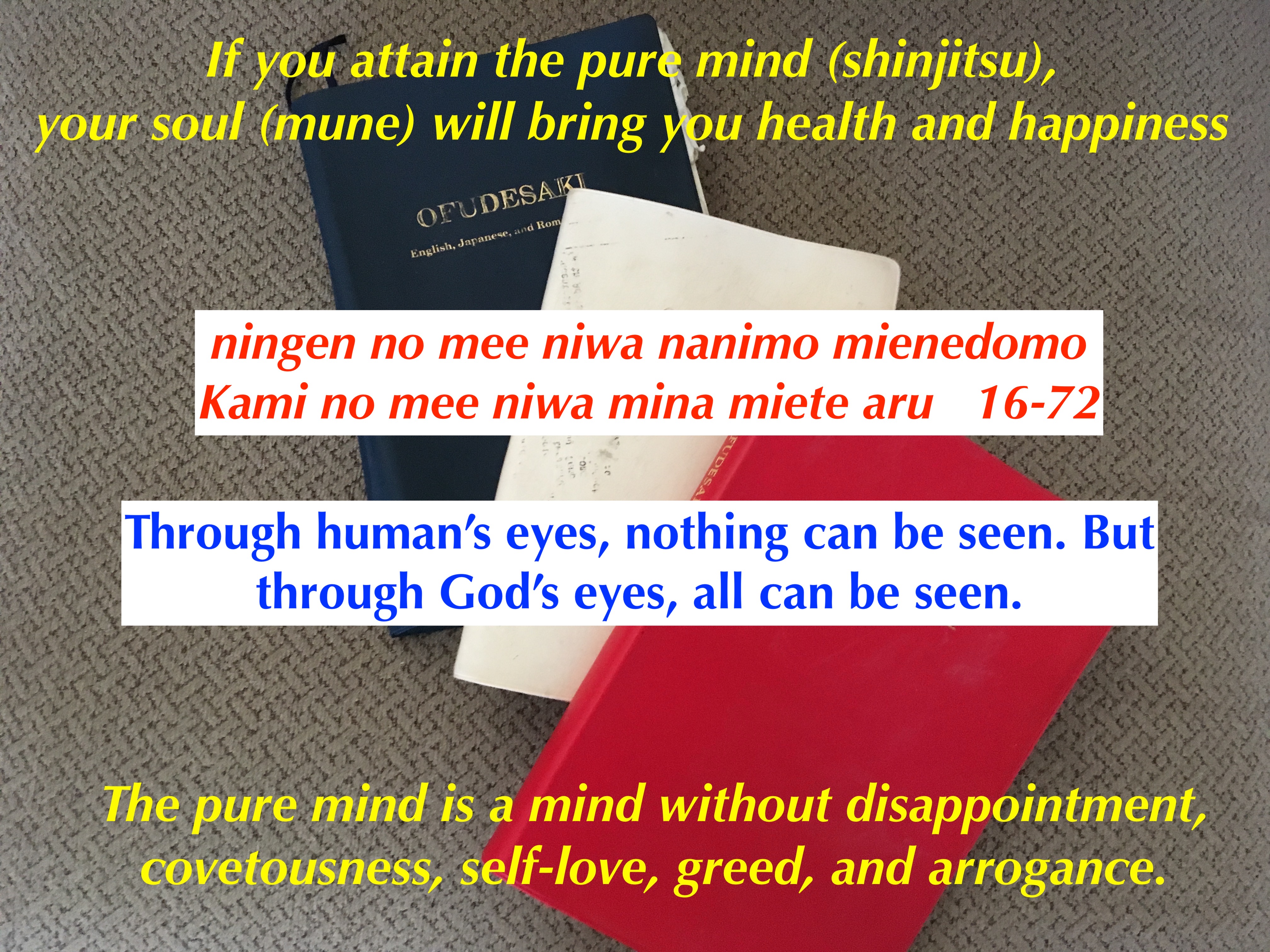
Why did God grant us this Service? Today when you ask a Tenrikyo leader, he or she will tell you that with this Service, God will help “you” sweep your negative thoughts. This is why they quickly teach and tell you to perform this Service. But God in the Ofudesaki already teaches us how to purify our own minds.  God tells us to understand one’s own soul (mune) to attain the pure mind (shinjitsu). God tells us that when one attains the pure mind, only positive fates will come from one’s own soul. So if the Service is not intended to sweep one’s own mind, whose mind is it to sweep?
 
Lets review the Service. The first part starts with:
 
Evil thoughts sweeping, save (them) please.
Heaven’s truth Saving God.
 
We are asking God to convince the people we have spread the teachings to, so they can purify their own minds. How would God convince these people? God will help these people we have spread God’s truth about the soul and pure mind, by placing illness as guidance to their bodies, to convince them of these two topics. Remember during our conveyance of the teachings, we have told them, God will place illness as guidance (yo(u)) on them to save them (ki). This is why our Service is called the You-ki-tsutome, or a Service asking God to give guidance (yo(u)) to the people (ki) we have spread God’s teachings to. These people are now called you-ki, you-gi, or you-boku. They will then come to our places of worship, where we heal them with the sazuke, and teach them further of the soul and pure mind. 
 
Because we are not aware of what our Service does, God’s teachings are not spreading to the world. 
 
 
私たちの毎日のおつとめを「陽気づとめ」と呼んでいる。おふでさきでは、このおつとめを手踊りと呼んでいます。おふでさきでは、このおつとめを手踊りと呼んでいます。また、このおつとめは、人間創造の場である、仮のかんろだいが現存する場所で行われる場合には、神楽(かぐら)おつとめとも呼ばれます。また、1838年に神が世界を救うために天から降臨された場所でもある。
神はなぜこのおつとめをお与えになったのか。今日、天理教の教祖に尋ねると、「このおつとめで、神様は “あなた “のネガティブな思いを一掃してくださる」と言うだろう。そのため、すぐにこのおつとめをしなさいと教え諭すのです。しかし、神様はおふでさきの中で、自分の心を清める方法をすでに教えて下さっているのです。 神は、純粋な心(しんじつ.)を得るために、自分の魂(むね)を理解するようにと教えている。純粋な心を得た時、自分の魂からは積極的な運命しか生まれないと。では、おつとめが自分の心を掃除するためのものでないとしたら、誰の心を掃除するためのものなのだろうか。
礼拝の内容を見直してみよう。最初の部分はこう始まる:
邪悪な思いは一掃され、(彼らを)救ってください。
天の理 神を救う。
私たちは、教えを広めた人々が自分たちの心を清めることができるように、神に納得してくれるよう求めているのだ。神様はどうやってその人たちを納得させるのでしょうか?神は、魂と純粋な心についての神の真理を広めた人々に、この2つのトピックを納得してもらうために、彼らの身体への導きとして病気を置くことで、彼らを助けてくださるでしょう。教えを伝えている間、私たちは彼らに、神が彼らを救うために、病気を導き(ヨウ(ウ))として彼らに与える、と言ったことを思い出してください(キ)。これが、私たちのおつとめが「陽気づとめ」と 呼ばれる所以であり、私たちが神の教えを広めた人々 (き)に、神がお導きを与えてくださるようお願いするおつと めなのです。これらの人々は今、陽気、陽気、陽気僕と呼ばれている。そして彼らは私たちの礼拝所にやって来て、私たちはサザエで彼らを癒し、魂と純粋な心をさらに教える。
私たちのおつとめがどのようなものであるかを私たちが知らないために、神の教えは世に広まっていないのです。
Vamos analisar nosso serviço diário que chamamos de Youki-tsutome. Ele não é chamado de yoki-tsutome (Serviço Alegre), mas de Youki-tsutome. No Ofudesaki, esse serviço também é chamado de teodori, ou dança das mãos, pois utiliza apenas as mãos para realizar o serviço. Esse Serviço também é chamado de Serviço Kagura quando é realizado no local da criação humana, onde os Kanroudai temporários existem atualmente. Esse também é o local onde Deus desceu do céu em 1838 para salvar o mundo.
Por que Deus nos concedeu esse serviço? Hoje, quando você pergunta a um líder da Tenrikyo, ele lhe dirá que, com esse Serviço, Deus ajudará “você” a varrer seus pensamentos negativos. É por isso que eles rapidamente ensinam e dizem para você realizar esse Serviço. Mas Deus, no Ofudesaki, já nos ensina como purificar nossa própria mente.  Deus nos diz para entendermos a própria alma (mune) para alcançarmos a mente pura (shinjitsu). Deus nos diz que, quando alguém atinge a mente pura, somente destinos positivos virão de sua própria alma. Portanto, se o Serviço não tem a intenção de varrer a própria mente, de quem é a mente que ele deve varrer?
Vamos revisar o Serviço. A primeira parte começa com:
Pensamentos malignos varrendo, salve (eles) por favor.
A verdade do céu Salvando Deus.
Estamos pedindo a Deus que convença as pessoas para as quais divulgamos os ensinamentos, para que elas possam purificar suas próprias mentes. Como Deus convenceria essas pessoas? Deus ajudará essas pessoas a quem divulgamos a verdade de Deus sobre a alma e a mente pura, colocando a doença como orientação para seus corpos, para convencê-las desses dois tópicos. Lembre-se de que, durante nossa transmissão dos ensinamentos, dissemos a eles que Deus colocará a doença como orientação (yo(u)) para salvá-los (ki). É por isso que o nosso Serviço é chamado de You-ki-tsutome, ou seja, um Serviço que pede a Deus para dar orientação (yo(u)) às pessoas (ki) para as quais divulgamos os ensinamentos de Deus. Essas pessoas agora são chamadas de you-ki, you-gi ou you-boku. Elas então virão aos nossos locais de adoração, onde as curaremos com o sazuke e lhes ensinaremos mais sobre a alma e a mente pura.
Por não estarmos cientes do que o nosso Serviço faz, os ensinamentos de Deus não estão se espalhando pelo mundo.

Posted in Tenrikyo | Leave a comment

OFUDESAKI 16-72

Interpretation:
God sees our negative fates in our souls.
 
解釈
神は私たちの魂に否定的な運命を見る。
 
Interpretação:
Deus vê nossos destinos negativos em nossas almas.
 
诠释:
上帝在我们的灵魂中看到了我们的负面命运。
Posted in Christian, Christianity | Tagged | Leave a comment

OFUDESAKI 16-71

Interpretation:
God reminding us that we borrow our bodies from God. God will place illness as guidance to help us purify our own minds, so one can attain health and happiness on our bodies that we borrow from God.
 
解釈
神は私たちに、私たちは神から体を借りていることを思い出させている。神は、私たちが自分の心を浄化するための導きとして病気を置かれるのであり、それによって人は、神から借りた私たちの身体で健康と幸福を得ることができる。
 
Interpretação:
Deus nos lembra de que tomamos nosso corpo emprestado de Deus. Deus colocará a doença como orientação para nos ajudar a purificar nossa própria mente, para que possamos alcançar a saúde e a felicidade em nosso corpo que tomamos emprestado de Deus.
 
释义
上帝提醒我们,我们的身体是从上帝那里借来的。上帝会把疾病作为指引,帮助我们净化自己的心灵,从而让我们从上帝那里借来的身体获得健康和幸福。
Posted in Tenrikyo | Leave a comment

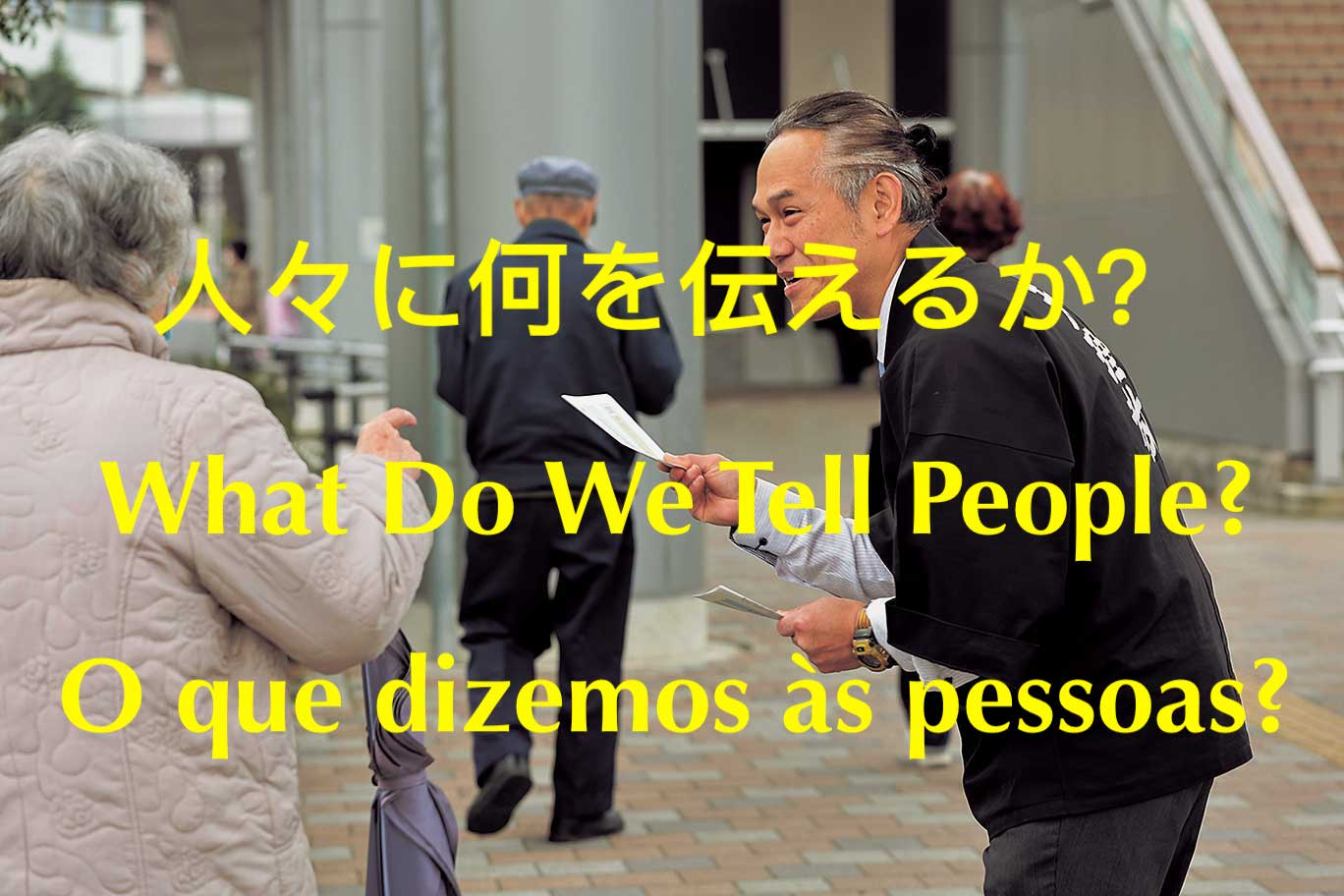
What Do We Teach People?

What do we tell people when we decide to do missionary work. In the Mikagura-uta, it is called hinokishin, or a person’s contribution to God.  Do we tell them the history of Tenrikyo? Do we teach them our prayer (Youki-tsutome) to save others? Do we teach them the Yorozuyo and the 12 dances that accompany it? Do we tell them about Oyasama? These are all things that are important, and should be presented later on. But initially we must teach them how to attain health and happiness by explaining to them three things they need to know.

 
God tells us in the Ofudesaki three things we must teach people:
  1. The soul (mune)
  2. The pure mind (shinjitsu)
  3. Illness as guidance (you) they may receive from God to help them understand the soul and the pure mind.
 
I have explained these topics in my previous post, so I will not repeat myself today. It is these three topics that we must teach others. But all this information is in the Ofudesaki. God gives us the ingredients to save the world.
 
 
布教を決意したとき、人々に何を伝えるか。みかぐらうた』では「ひのきしん」という。 天理教の歴史を伝えるのか。天理教の歴史を教えているか。よろづよとそれに伴う12の踊りを教えるか。教祖について教えているだろうか。これらはすべて重要なことであり、後で教えるべきことである。しかし、まずは健康と幸福を手に入れる方法を教えなければならない。
神様はおふでさきの中で、私たちが人々に教えなけれ ばならない三つのことを教えておられます。
1. 魂(むね)
2. 純粋な心(しんじつ)
3. 病気は、魂と純粋な心を理解するために、神から受けるかもしれない導き  (よう)である。
これらのトピックについては前回の記事で説明したので、今日は繰り返さない。私たちが他の人々に教えなければならないのは、これら3つのトピックなのです。しかし、これらの情報はすべておふでさきに書かれています。神は私たちに世界を救うための材料を与えてくださるのです。
O que dizemos às pessoas quando decidimos fazer o trabalho missionário? No Mikagura-uta, isso é chamado de hinokishin, ou a contribuição de uma pessoa para Deus.  Contamos a elas a história da Tenrikyo? Nós lhes ensinamos nossa oração (Youki-tsutome) para salvar outras pessoas? Ensinamos a eles o Yorozuyo e as 12 danças que o acompanham? Falamos a eles sobre Oyasama? Todas essas coisas são importantes e devem ser apresentadas mais tarde. Mas, inicialmente, devemos ensiná-los a alcançar a saúde e a felicidade, explicando-lhes três coisas que precisam saber.
Deus nos diz no Ofudesaki três coisas que devemos ensinar às pessoas.
1. A alma (mune)
2. A mente pura (shinjitsu)
3.  A doença como orientação (yo(u)) que eles podem receber de Deus para ajudá-los a entender a alma e a mente pura.
Já expliquei esses tópicos em minha postagem anterior, portanto, não vou me repetir hoje. São esses três tópicos que devemos ensinar aos outros. Mas todas essas informações estão no Ofudesaki. Deus nos dá os ingredientes para salvar o mundo.
当我们决定从事传教工作时,我们该如何告诉别人。在 Mikagura-uta 中,这被称为 hinokishin,即一个人对神的贡献。 我们会告诉他们天理教的历史吗?我们向他们传授我们拯救他人的祈祷文(Youki-tsutome)吗?我们教他们 “Yorozuyo “和与之伴奏的 12 支舞蹈吗?我们向他们介绍大山了吗?这些都很重要,应该在以后介绍。但首先,我们必须教他们如何获得健康和幸福,向他们解释他们需要知道的三件事。
上帝在《奥弗德萨基》中告诉我们必须教给人们三件事。
1. 灵魂
2. 纯粹的心灵(神术)
3.  疾病是上帝给他们的指引(yo(u)),帮助他们理解灵魂和纯粹的心灵。
我在上一篇文章中已经解释过这些主题,今天就不再重复了。我们必须向他人传授的正是这三个主题。但所有这些信息都在《奥弗德萨基》中。上帝给了我们拯救世界的要素。
Posted in Tenrikyo | Leave a comment

OFUDESAKI 16-70

Interpretation:
We think that we can say or do things without any consequences.
 
解釈:
私たちは、自分の言動は何の結果も伴わないと考えている。
 
Interpretação:
Achamos que podemos dizer ou fazer coisas sem nenhuma consequência.
 
解释:
我们认为自己可以不计后果地说话或做事。
Posted in Cause and Effect, karma, reincarnation, soul | Tagged , , , | Leave a comment